


Microsoft Finally Listens: Windows 11 Set to Get the Changes Users Have Been Asking For
For years, Windows users have had a love-hate relationship with updates. It’s powerful, widely used, and deeply familiar—but at times, also frustrating. Now with the Windows 11 new features, it seems Microsoft is taking a step back and doing something simple yet important: listening.
In a heartfelt message from Pavan Davuluri, the company acknowledged what many users have been saying for a long time—Windows isn’t just software, it’s something people rely on every single day. And when it doesn’t work the way they expect, it matters.
After months of studying feedback, Microsoft is finally rolling out a set of changes to Windows 11 that feel less like flashy upgrades and more like thoughtful fixes.
The Taskbar Is Coming Back… Your Way
Let’s start with something surprisingly emotional for many users—the taskbar.
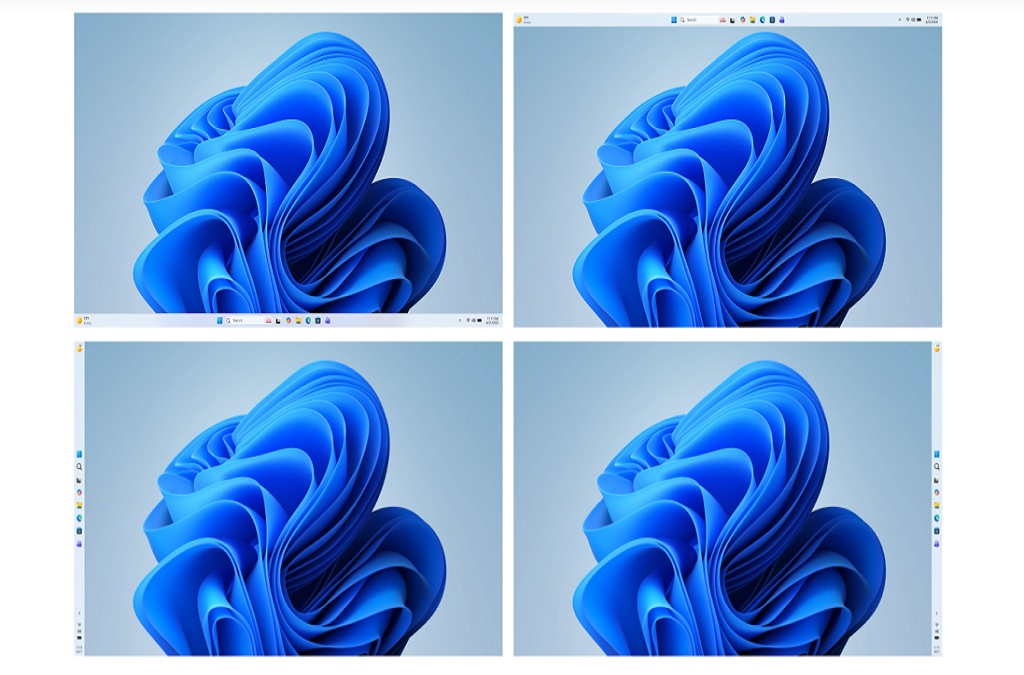
If you’ve ever been annoyed that it’s stuck at the bottom, you’re not alone. It’s been one of the most requested Windows 11 new features, and now it’s finally happening. Soon, you’ll be able to move the taskbar to the top or sides of your screen again.
It may sound like a small tweak, but for longtime Windows users, it brings back a sense of familiarity and control that was quietly taken away.
AI That Helps, Not Interrupts
Microsoft’s AI assistant, Microsoft Copilot, isn’t going anywhere—but it is getting smarter about when to show up.
Instead of being pushed into every corner of the system, Microsoft is dialing things back. You’ll see fewer unnecessary Copilot integrations in apps like Notepad, Photos, and Widgets.
The idea is simple: AI should be useful, not intrusive.
And honestly, that’s a refreshing change.
Windows Updates Might Finally Stop Annoying You
If there’s one thing almost every Windows user can agree on, it’s this—updates can be frustrating.
Random restarts, forced installations, and constant notifications have been a pain point for years. Now, Microsoft is trying to fix that.
With the upcoming changes, you’ll get more control. Want to skip updates during setup? You can. Need to shut down quickly without installing updates? That too. You’ll also be able to pause updates for longer periods and deal with fewer interruptions overall.
It’s less about removing updates—and more about respecting your time.
File Explorer Is Getting the Attention It Deserves
File Explorer is one of those tools you don’t think about—until it slows you down.
Microsoft is now focusing on making it faster, smoother, and more reliable. Expect quicker launch times, less lag, and a more stable experience overall.
It’s not flashy, but it’s the kind of improvement you’ll feel every day.
Widgets That Don’t Get in the Way
Widgets were meant to be helpful, but for many users, they ended up feeling like noise.
That’s changing. Microsoft is introducing quieter defaults and better personalization, so you can actually control what you see—and when you see it.
In short, widgets will feel more like a choice, not a distraction.
A Simpler Way to Shape Windows
The Windows Insider Program—where users test early Windows 11 new features—is also getting easier to understand and use.
Microsoft says it’s working on clearer update channels, better build quality, and more transparency about how feedback actually shapes the system.
Even the Feedback Hub app is being redesigned to make sharing opinions faster and more engaging.
More Than Just Updates—A Change in Approach
What stands out in all of this isn’t just the Windows 11 new features—it’s the mindset.
Microsoft isn’t trying to reinvent Windows overnight. Instead, it’s focusing on fixing what people use every day, cutting down on frustration, and giving users more control.
And perhaps most importantly, the company is stepping out from behind the screen—meeting users in person, starting with small gatherings and planning more across the world.
The Bottom Line
These updates to Windows 11 may not look revolutionary at first glance. But in reality, they address some of the most common complaints users have had for years.
Less noise. More control. Better performance.
If Microsoft delivers on these promises, Windows might not just feel more powerful—it might finally feel more personal again.
If you want to know more about technology-related news – click here